Best Deodorant for Sensitive Skin: 9 Gentle Picks That Work
How We ReviewBased on UK customer review data, ingredient analysis, and dermatology guidance from bodies including the British Skin Foundation. We are not paid by any brand for placement in this list.
Almost every "sensitive skin deodorant" guide tells you to look for "fragrance-free" or "unscented" as if the two words mean the same thing. They don't — and getting this wrong is a genuine reason reactive skin keeps reacting even after switching products. We've led with that distinction, plus a proper patch-test method, before getting to the 9 picks themselves.
⚡ Quick Verdict — Best Deodorant for Sensitive Skin UK 2026
1Fragrance-Free vs Unscented: The Distinction Most Guides Get Wrong
This matters more than almost anything else on this page, and a surprising number of skincare and deodorant guides use these two words interchangeably — some even get the definitions backwards. They are not the same thing, and if you have genuine fragrance sensitivity, the difference determines whether a product actually helps you or quietly keeps causing the reaction you're trying to avoid.
✅ Fragrance-Free
- No fragrance ingredients added at all — synthetic or natural
- No essential oils, no perfume compounds, no masking agents
- The formula simply has whatever smell its base ingredients naturally have
- The safer label to search for with genuine fragrance allergy
⚠️ Unscented
- The finished product has no noticeable smell
- May still contain masking fragrance chemicals to cancel out other odours
- Can technically contain more fragrance-related compounds than a scented product
- Not a reliable label alone if you react to fragrance specifically
Look for "fragrance," "parfum," "aroma," or specific essential oil names anywhere in the ingredients — even on a product labelled "unscented." If genuine fragrance sensitivity is a known issue for you, fragrance-free is the more dependable term to search for, though it's still worth scanning the full list rather than trusting either word by itself.
2Patch-Test Protocol: Do This Before Committing to a New Deodorant
Skipping this step is the single most common reason someone tries a "sensitive skin" product and still reacts. A proper patch test takes two days, not two minutes, and it will tell you far more than reading an ingredient list alone.
🧪 The 48-Hour Patch Test
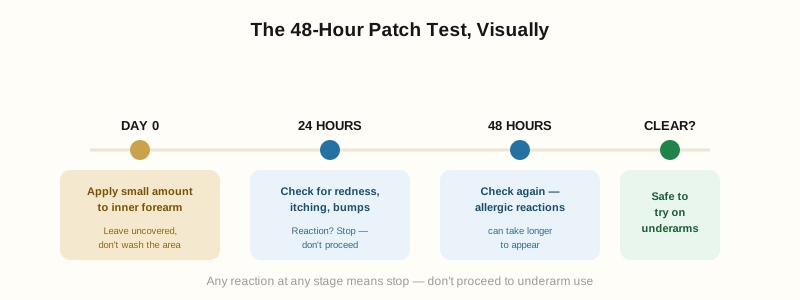
A simple patch test like this is a sensible precaution, but it isn't a substitute for a formal patch test conducted by a dermatologist if you have a known allergy history or a diagnosed condition like eczema. NICE and the British Skin Foundation both recommend specialist testing for anyone with a pattern of reactions across multiple products.
3Irritant vs Allergic Contact Dermatitis: What's Actually Happening
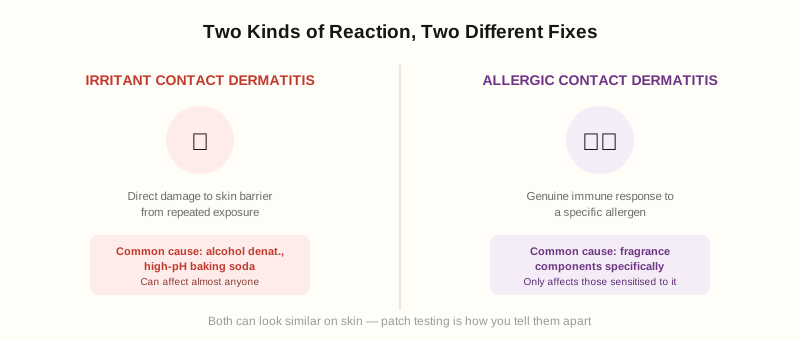
"Sensitive skin" covers two genuinely different mechanisms, and the distinction affects what actually fixes it. Irritant contact dermatitis happens when an ingredient directly damages the skin barrier through repeated exposure — alcohol denat. and high-pH sodium bicarbonate are the most common deodorant-related culprits, and this can affect almost anyone given enough exposure or already-compromised skin (for example, straight after shaving). Allergic contact dermatitis is different: it's a genuine immune response to a specific allergen, most often one of the many chemicals covered by the umbrella term "fragrance" on an ingredient list, and it only affects people who've developed a sensitivity to that specific compound.
Both can look similar on skin — redness, itching, sometimes small bumps — which is exactly why patch testing matters more than guessing. If switching to a fragrance-free formula doesn't resolve things, the irritant is more likely something else in the formula (alcohol, a specific preservative, or baking soda) rather than fragrance itself.
4Our Top 9 Picks for Sensitive Skin
Vanicream Aluminum-Free Deodorant
Formulated specifically to avoid the ingredients dermatologists flag most often — no fragrance, no dyes, no parabens, no lanolin. Vanicream's entire product range is built around a genuine dermatology-recommended positioning rather than a lifestyle-brand one, which shows in how conservative the ingredient list is.
Sanex Dermo Sensitive
Part of Sanex's long-running Dermo range, specifically developed with dermatologists for reactive skin, and one of the most widely stocked sensitive-specific formulas on UK high streets. No alcohol in the roll-on format, which matters for freshly shaved or already-irritated skin.
Native Sensitive (Baking Soda-Free)
Replaces sodium bicarbonate with tapioca starch and magnesium, directly resolving the most common natural-deodorant rash without giving up on the category entirely. Coconut oil and shea butter condition rather than dry out reactive skin.
Schmidt's Fragrance-Free
The fragrance-free variant within Schmidt's range genuinely omits added scent rather than masking it, using magnesium hydroxide as the primary active. A solid natural option for anyone who wants to stay aluminium-free without introducing fragrance as a variable.
Dove 0% Aluminium Sensitive
Removes fragrance and alcohol while keeping Dove's conditioning ¼ moisturising cream base. One of the safest widely-available options for use straight after shaving, and a genuinely low-cost way to trial fragrance-free.
Each & Every Fragrance-Free
Each & Every's standard range actually uses essential oils for scent — worth knowing if you're browsing their line, since that's not ideal for fragrance sensitivity despite the "clean beauty" positioning. Their dedicated Fragrance-Free variant, however, genuinely omits both essential oils and synthetic fragrance, built around arrowroot and baking soda.
Neve's Bees Unfragranced
Bicarb-free and completely unfragranced, built specifically for sensitive and eczema-prone skin. We've covered this brand in more depth in our best natural deodorant guide.
Dove Men+Care Sensitive
The men's equivalent of Dove's Sensitive formula — no fragrance, no alcohol, genuinely dermatologist-tested. Covered in full in our best deodorant for men guide.
Green People Scent Free
No essential oils, no synthetic fragrance, no aluminium, no alcohol — genuinely one of the most conservative ingredient lists in this guide. Soil Association and COSMOS certified. Full detail in our best deodorant for women guide.
5Is "Hypoallergenic" a Meaningful Label?
Not on its own. "Hypoallergenic" has no legal definition in UK or US cosmetics regulation, so any brand can print it on packaging without independent verification of the claim. It's a reasonable signal that a brand has made some effort to reduce common allergens, but it isn't a substitute for reading the actual ingredient list — particularly checking for fragrance and known irritants like alcohol denat. We cover exactly what cosmetic label claims do and don't legally mean in a dedicated guide, since it's a big enough topic to deserve its own treatment.
6Where to Buy in the UK
7Our Verdict
Vanicream is our top pick for genuinely reactive skin — it's built with a conservative, dermatology-first ingredient list rather than a lifestyle-brand one. For an easier pharmacy pick, Sanex Dermo Sensitive covers most people well at a much lower price. Whichever you choose, the single highest-value step in this whole guide is the patch test above — it takes two days and will save you weeks of guessing which product, or which specific ingredient, is actually behind a reaction.
Want the full picture on antiperspirant vs deodorant for reactive skin?
Read Our Antiperspirant vs Deodorant Guide8Frequently Asked Questions
QWhat is the actual difference between fragrance-free and unscented deodorant?+
Fragrance-free means no fragrance ingredients of any kind were added to the formula — no synthetic perfume, no essential oils, no masking agents. Unscented means the finished product has no noticeable smell, but it may still contain masking fragrance chemicals added specifically to cancel out the smell of other ingredients. For genuine fragrance sensitivity, fragrance-free is the safer label to look for, and you should still check the ingredient list rather than relying on either word alone.
QWhat is the best deodorant for sensitive skin?+
Vanicream Aluminum-Free Deodorant is our top pick — it's fragrance-free, dye-free, and formulated specifically to avoid the most common allergens, with genuine dermatologist recommendation behind it. Sanex Dermo Sensitive is the strongest widely-available UK pharmacy option.
QHow do I patch test a new deodorant properly?+
Apply a small amount to a clean patch of skin on your inner forearm, leave it uncovered, and check at 24 and 48 hours for redness, itching, swelling or bumps. Only apply to your underarms once the full 48-hour window has passed with no reaction. This is a genuine home patch test principle, not a clinical guarantee — a specialist patch test at a dermatology clinic is more thorough if you have a known allergy history.
QIs hypoallergenic deodorant actually tested to be safer?+
Not necessarily. "Hypoallergenic" has no legally defined meaning in UK or US cosmetics regulation, so any brand can apply the label without independent verification. It's a reasonable signal of intent, but check the actual ingredient list — specifically for added fragrance and known allergens — rather than trusting the word alone.
QCan baking soda in deodorant cause a rash?+
Yes, and it's one of the most common causes of deodorant-related skin reactions. Sodium bicarbonate has an alkaline pH of around 8-9, while underarm skin sits at a mildly acidic pH of roughly 5.5. Daily use can disrupt the skin's acid mantle, causing redness and itching in people with reactive skin. Switching to a baking-soda-free formula, rather than giving up on deodorant generally, usually resolves it.
QWhat's the difference between irritant and allergic contact dermatitis from deodorant?+
Irritant contact dermatitis happens when an ingredient directly damages the skin barrier — common culprits include alcohol denat. and high-pH baking soda — and can affect almost anyone with enough exposure. Allergic contact dermatitis is a genuine immune response to a specific allergen, most often a fragrance component, and only affects people who have developed a sensitivity to that exact ingredient. Both look similar (redness, itching) but the underlying cause and the fix differ. Making your own? Our DIY deodorant guide has a baking-soda-free recipe for exactly this reason.